Review: Happy 4th of July Mandala SVG for Embroidery
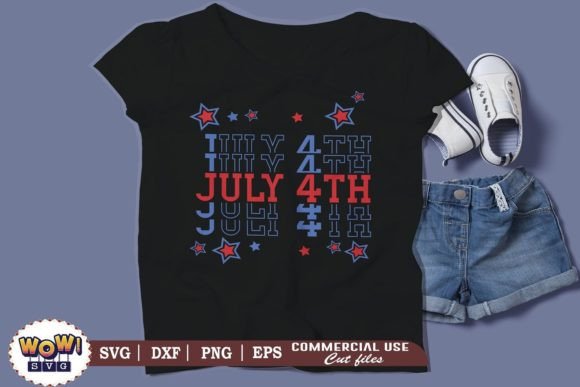
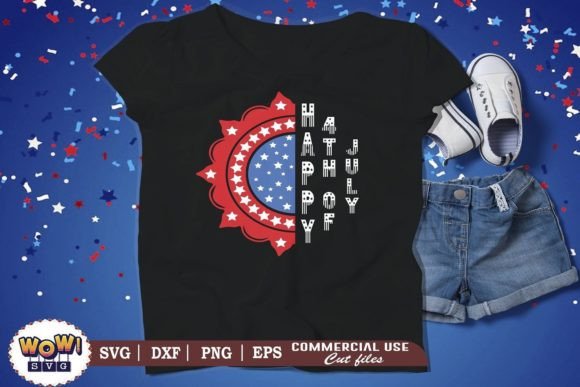
As a designer who spends most days staring at screens and managing stitch files, I approach new Illustrations and Graphics with a critical eye. It is not enough for a file to look pretty on a monitor; it must translate flawlessly into thread. When I first opened the Happy 4th of July Mandala Svg, my immediate reaction was one of cautious optimism. The symmetry is striking, and the patriotic theme is handled with a modern flair rather than the cliché block letters we often see in July. However, before I commit this design to a client's custom apparel or a batch of boutique merchandise, I need to break down how it performs in the real world of machine embroidery.
First Impressions and Visual Personality
The mood of this design is celebratory yet balanced. Mandalas inherently suggest harmony, and combining that structure with Independence Day motifs creates a unique visual personality. The layout feels organic, avoiding the rigid boxiness of traditional holiday graphics. For an embroidery project, this flow is crucial. It suggests that the design will drape well on curved surfaces like caps or soft goods like pillow covers. The detail level appears moderate, which is a sweet spot for both home hobbyists and commercial embroidery shops. It offers enough intricacy to look high-end without becoming a nightmare of thread breaks or excessive run times.
When evaluating the thread colors implied by the vector paths, I see excellent potential for contrast. A classic red, white, and blue palette works naturally here, but the open spaces in the mandala pattern allow for creative freedom. You could easily swap in metallic gold threads for a premium feel or use variegated threads to add depth to the fill stitch areas. This versatility makes the Happy 4th of July Mandala Svg a strong candidate for diverse product lines, from rustic kitchen towels to upscale boutique branding.
Real-World Application Scenarios
To truly test the viability of any digital embroidery file, I imagine specific use cases. Let's say I am preparing a custom embroidered tote bag for a summer market stall. Tote bags often use canvas or heavy cotton, which provides a stable base for the satin stitch outlines likely present in this mandala. The circular nature of the design fits perfectly in the center of a bag, creating a focal point that draws the eye. Because the design is symmetrical, it remains visually appealing even if the fabric shifts slightly during hooping, a common issue with large tote projects.
Another strong application is sweatshirt embroidery. Holiday-themed hoodies and crewnecks sell incredibly well in late June and early July. The Happy 4th of July Mandala Svg would look fantastic on the back of a sweatshirt or centered on the chest. The mandala shape complements the soft curves of knit fabrics better than sharp, angular logos. For baby embroidery, such as a onesie or a nursery blanket, the gentle repetition of the pattern is soothing and festive without being overwhelming. It transforms a standard holiday item into a cherished personalized gift.
For Etsy sellers and craft business owners, this design asset offers flexibility. It can be scaled down for an embroidered patch or appliqué work on denim jackets. If you are selling custom apparel, the ability to resize the graphic while maintaining its integrity is key. The radial balance ensures that even at smaller sizes, the core identity of the "4th of July" theme remains clear to the customer.
Technical Considerations and Fabric Challenges
While the design shows promise, practical execution requires attention to detail. One area where I would proceed with caution is stitch density. Mandalas can sometimes pack too many elements into a small space. If you are stitching this on thin fabric or stretchy materials like jersey knits, high density can cause puckering or fabric distortion. I strongly advise testing the design on scrap fabric first. Check how the running stitch connections hold up between the heavier fill areas.
Dark fabrics present another consideration. If you plan to stitch this on navy blue or black garments, ensure that the white elements of the mandala have sufficient underlay or density to prevent the background fabric from showing through. Conversely, on light fabrics, verify that the red and blue threads provide enough contrast so the intricate details do not get lost. For textured fabrics like waffle weave or linen, simplify your expectations; fine details in the mandala might get swallowed by the fabric texture, so a larger hoop size might be necessary to let the design breathe.
Curved surfaces, such as baseball caps, require careful hooping. The circular symmetry of the Happy 4th of July Mandala Svg is forgiving here, but you must ensure the center point is perfectly aligned. Any deviation will be obvious due to the radial pattern. Additionally, if the design includes tiny lettering or very fine corners, inspect these areas closely in your digitizing software or preview mode. Small details are often the first to suffer during high-speed commercial embroidery runs.
Enhancing Brand Value and Customer Trust
The ultimate goal of using high-quality design assets is to elevate your finished product. A clean, well-executed mandala signals professionalism. When a customer receives a holiday item with a crisp, balanced design, it builds trust in your brand. It tells them that you care about aesthetics and quality control. This is particularly important for small shop products competing against mass-produced goods. The unique artistic touch of a mandala differentiates your handmade product from generic store-bought decorations.
Furthermore, the visual appeal of this design aids in marketing. High-contrast, symmetrical images photograph beautifully for printable mockups and social media previews. Good photography drives engagement, and a striking central motif like this mandala stops the scroll. Whether you are listing items on Etsy or showcasing work at a craft fair, the presentation of the embroidery directly impacts buyer engagement and perceived value.
Final Designer Notes and Recommendations
Before launching into production with the Happy 4th of July Mandala Svg, here is my checklist for success:
- Stabilizer Selection: Match your stabilizer to your fabric. Use cut-away for stretchy knits and tear-away for stable wovens to ensure the mandala holds its shape after washing.
- Color Testing: Run a test stitch-out in black and white first. This helps you identify density issues and pathing errors without wasting colored thread.
- Licensing Verification: The product description mentions satisfaction guarantees but does not explicitly detail license terms for commercial resale of digital files versus finished physical goods. Always confirm with WOWSVGStudio whether you are cleared to sell the embroidery file itself or only the finished product.
- File Inspection: Since specific stitch counts and hoop requirements were not provided in the initial data, open the file in your embroidery software to verify the dimensions and estimated stitch count before hooping your final garment.
In conclusion, the Happy 4th of July Mandala Svg is a versatile and aesthetically pleasing option for the upcoming holiday season. With its balanced composition and adaptable theme, it fits well within the Illustrations category for makers looking to create something special. By respecting the technical limitations of your machinery and fabrics, you can turn this graphic into a standout piece of holiday embroidery that delights customers and enhances your portfolio.