Futuristic HUD Interface Design: A Stitcher's Review
As someone who spends more time staring at stitch previews than actual screens, I approach every new machine embroidery design with a mix of excitement and skepticism. When I first pulled up the Futuristic HUD Interface Design, my initial reaction wasn't just about how cool it looked on the monitor; it was about how those sharp, geometric lines would translate into thread. This isn't your typical floral or whimsical motif. It is a piece of Illustrations art meant to represent human progress and advanced technology, captured in a format ready for the hoop. For us Etsy sellers and craft business owners, the difference between a graphic that looks good on a website and one that survives the needle is everything.
The Visual Impact and Mood
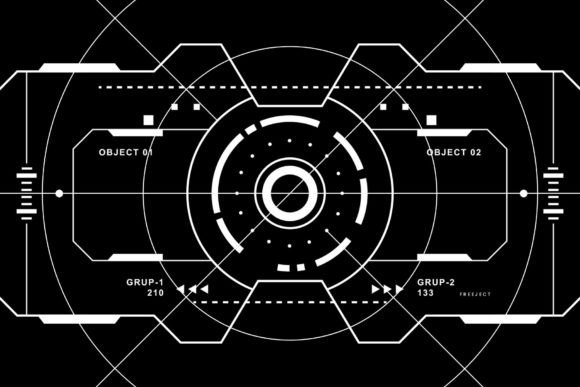
The first thing that strikes you about this Graphics asset is its clean, high-tech personality. The layout mimics a Heads-Up Display, featuring concentric circles, radial lines, and data-like segments that scream "future." In a digital context, these elements are crisp vectors. However, as an embroidery designer, my mind immediately goes to stitch density and thread colors. The design relies heavily on precision. If the fill stitch areas are too dense, you risk puckering on lighter fabrics. If the running stitch outlines are too sparse, the technological feel gets lost, turning into a muddy blob.
The mood created here is industrial yet sleek. It feels appropriate for a brand that wants to convey innovation, speed, or modernity. Unlike a soft baby embroidery pattern, this design demands respect. It doesn't blend into the background; it asserts itself. For a handmade product line focused on techwear, gaming merchandise, or modern home decor, this visual personality is a goldmine. But it requires a steady hand and the right material choices to shine.
Real-World Application: The Tech-Ready Tote
To truly test the viability of the Futuristic HUD Interface Design, I imagined a specific client project: a custom tote bag design for a local coding bootcamp graduation. The goal was to create a personalized gift that felt premium and relevant to the students' field of study. I visualized stitching this onto a heavy canvas tote in a metallic silver or electric blue thread against a charcoal grey background.
In this scenario, the design works exceptionally well. The rigid geometry of the HUD contrasts beautifully with the textured weave of the canvas. Because the design is essentially a collection of technical elements, it doesn't need to be huge to be recognizable. A 4x4 inch placement on the corner of the bag acts as a subtle badge of honor. Customers receiving this finished product would likely appreciate the attention to detail. It elevates a simple bag into a piece of custom apparel or accessory that speaks their language. It tells them that the creator understands their culture, not just their name.
Beyond tote bags, I can see this thriving as sweatshirt embroidery on the sleeve of a oversized hoodie. The circular nature of many HUD elements fits perfectly around the elbow or shoulder curve, provided the stabilizer is up to the task. It could also serve as a striking center piece for an embroidered patch, where the tight edges of the design can be merrowed or laser-cut for a professional finish.
Navigating Technical Challenges
However, we must be realistic about where this design might struggle. The Futuristic HUD Interface Design is not forgiving on difficult surfaces. If you are planning to stitch this on a stretchy jersey knit for a t-shirt, you need to be extremely careful. The straight lines and sharp angles inherent in HUD graphics tend to distort if the fabric shifts even a millimeter during stitching. On a curved surface like a cap, the radial lines could warp, making the "interface" look broken rather than futuristic.
Furthermore, consider the hoop size limitations. While the design might be scalable, shrinking it too much for a small pocket logo could result in the loss of fine details. Tiny lettering or minute data points often included in these types of Illustrations may turn into a solid mass of thread if the resolution isn't high enough. For dark fabric, you must ensure your underlay is sufficient to prevent the background from showing through the lighter thread colors, which would ruin the clean, glowing effect of a HUD.
Washability is another factor. Products like kitchen towels or aprons that undergo frequent laundering need robust stitching. If this design uses long satin stitches without proper anchoring, they might snag or loosen over time. For items destined for heavy use, reinforcing the perimeter with a thicker border or choosing a denser fill pattern is advisable.
Enhancing Brand Value and Customer Trust
Using a distinct design like this affects your brand perception. When a customer sees a well-executed Futuristic HUD Interface Design on a product, it signals professionalism. It shows that you, as a small shop product creator, have access to unique design assets and the skill to execute them. In a market saturated with generic fonts and clipart, offering something that looks like a genuine piece of advanced technology builds trust.
This is particularly true for commercial embroidery projects targeting niche audiences. Gamers, tech enthusiasts, and sci-fi fans are discerning. They know what a real interface looks like. A sloppy execution will be spotted immediately. But a clean, crisp application of this graphic can become a signature element of your brand, increasing buyer engagement and encouraging repeat purchases for holiday embroidery gifts or special occasions.
Practical Notes for the Embroiderer
Before you commit this design to a client's garment, here are a few essential steps to take:
- Test on Scrap Fabric: Always run a sample on the exact same material and weight as your final project. Check how the fabric texture interacts with the stitches.
- Check Thread Contrast: HUD designs often rely on high contrast. Ensure your thread colors pop against the base fabric without clashing.
- Review Stitch Density: Look closely at the preview. If areas look too solid, consider editing the file to reduce density and improve drape.
- Stabilizer Selection: Use a cut-away stabilizer for stretchy fabrics and a tear-away for stable wovens to ensure the geometric lines remain straight.
- Verify Licensing: Since this is a digital asset intended for creative use, confirm the license terms before selling finished items or using it in printable mockup portfolios.
- Inspect Small Details: Zoom in on the corners and intersections. Ensure there are no jump stitches that could compromise the clean look.
Ultimately, the Futuristic HUD Interface Design is a powerful tool in the hands of a skilled maker. It bridges the gap between digital culture and tactile craft. Whether you are creating a one-off personalized gift or building a inventory of small shop product listings, this design offers a modern aesthetic that stands out. Just remember, the magic lies not just in the file itself, but in how thoughtfully you apply it to the physical world.