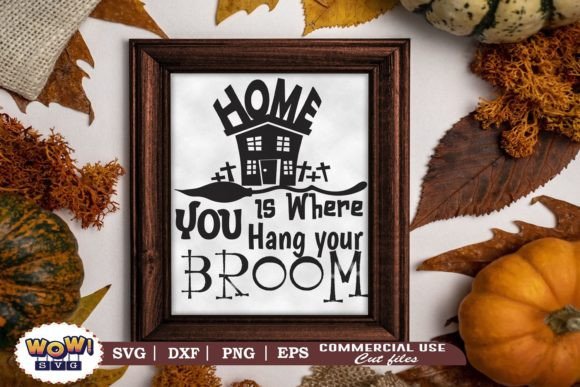
Review: Home is Where You Hand Your Broom Svg for Embroidery
As a designer who spends more time staring at stitch simulations than I do sleeping, I approach every new digital embroidery file with a healthy dose of skepticism. We have all been there: you download a cute graphic, load it into your software, and realize the density is a nightmare or the details are too fine for anything other than a poster. That is why I took a close look at the Home is Where You Hand Your Broom Svg from WOWSVGStudio. This isn't just about whether the image looks good on a screen; it is about whether it survives the transition from a vector illustration to a tangible, stitched handmade product.
The Visual Personality and First Impressions
When I first opened the file, the immediate vibe was whimsical yet grounded. The phrase "Home is Where You Hand Your Broom" suggests a warm, slightly magical domesticity—perfect for the modern crafter who loves a touch of fantasy in their daily routine. As an Illustration, the lines appear clean, which is the first green flag for embroidery. Clunky vectors often translate into jagged satin stitches or messy fill areas, but this design seems to have a flow that respects the needle.
The layout feels balanced, likely centering the text around a broom motif or integrating the tool into the typography. For us Etsy sellers and boutique owners, visual personality is currency. This design doesn't scream; it whispers a cozy invitation. It fits naturally into the current trend of "cottagecore" and witchy aesthetic decor, making it a strong contender for seasonal collections or year-round niche products. However, seeing it as a Graphics file is only step one. The real test is how those curves handle thread tension.
Real-World Application: The Kitchen Towel Test
To truly evaluate this machine embroidery design, I imagined a specific client project: a custom set of kitchen towels for a housewarming gift. Kitchen linens are high-traffic items. They get washed frequently, rubbed against counters, and handled with damp hands. If I were to stitch the Home is Where You Hand Your Broom Svg onto a flour-sack towel, the fabric texture would be the primary challenge.
On a waffle weave or a thin cotton blend, the stitch density becomes critical. If the design relies heavily on dense fill stitch areas for the broom bristles or the lettering, it could cause the lightweight fabric to pucker or curl. A smart approach here would be to treat the design almost like an applique design, even if it isn't technically one. By using a combination of satin stitch for the outlines and a lighter running stitch for internal details, you can maintain the visual integrity of the SVG without weighing down the fabric.
For a tote bag design, however, the canvas weight offers more forgiveness. Here, the design could shine with richer thread colors and denser stitching, creating a textured, premium feel that justifies a higher price point for your small shop product. The contrast between the thread and the bag color would make the message pop, turning a simple grocery carrier into a statement piece.
Navigating Technical Challenges
Every designer knows that not every surface is created equal. While the Home is Where You Hand Your Broom Svg is versatile, there are scenarios where caution is required. If you are planning to use this on a sweatshirt embroidery project, the fleece backing adds bulk. You must ensure your hoop size can accommodate the design without distorting the garment's seams. Furthermore, stretchy fabrics demand a robust stabilizer strategy. Without proper cut-away stabilizer, the weight of the embroidery could cause the neckline of a shirt or the cuff of a sleeve to warp over time.
Another consideration is the scale. If you intend to shrink this down for a baby embroidery project, like a onesie or a small bib, you need to inspect the tiny lettering. Small text often merges together when stitched, especially if the font has tight kerning in the original SVG. I always recommend running a simulation in your embroidery software to check if the gaps between letters will remain open or if they will fill in with thread bloating. Similarly, placing this on a curved surface like a cap requires careful digitizing adjustments that might not be present in the raw SVG file. You may need to manually adjust the pull compensation to prevent the design from looking skewed on the front panel.
Color Strategy and Thread Selection
The beauty of this design lies in its adaptability to different thread colors. For a Halloween-themed run, traditional oranges, blacks, and deep purples work beautifully. But for a everyday personalized gift, consider earth tones—sage greens, warm browns, and cream—to match a rustic kitchen aesthetic. Testing the design in black and white mockups before pulling out the hoop is a crucial step. This helps you verify that the contrast is sufficient and that the design holds its shape even without color cues. Remember, high contrast between the thread and the fabric texture ensures readability from a distance, which is vital for commercial embroidery displays at craft fairs.
Business Value and Professional Presentation
From a business perspective, the Home is Where You Hand Your Broom Svg offers more than just a pretty picture; it offers brand consistency. Using a cohesive set of designs across your custom apparel and home goods line helps customers recognize your work. When a buyer sees a well-executed stitch on a pillow cover or an embroidered patch, it builds trust. They aren't just buying a product; they are buying the assurance of quality that comes from a professional maker.
This design also translates well into printable mockup assets for your online listings. Before you even stitch a single thread, you can create compelling visuals for your Etsy shop or social media, gauging customer interest. However, always remember that the final finished product must match the hype of the photo. Poor stitching on a popular design can damage your reputation faster than anything else.
Final Designer Notes and Recommendations
Before committing to a production run, here is my practical checklist for using this file:
- Test on Scrap Fabric: Always stitch a sample on the exact same material you plan to sell. Fabric behavior varies wildly between brands.
- Check Licensing: The product description from WOWSVGStudio mentions satisfaction guarantees, but always confirm the specific license terms regarding commercial embroidery and digital resale before selling finished items.
- Inspect Details: Zoom in on the broom bristles and text corners. If they look too sharp in the vector, they might need smoothing in your digitizing software to prevent thread breaks.
- Stabilizer Choice: Match your stabilizer to the fabric weight. Do not skimp here; it is the foundation of a professional look.
- Wash Testing: Since this design targets home goods, wash your sample multiple times to ensure the threads do not fray and the fabric does not pucker.
In conclusion, the Home is Where You Hand Your Broom Svg is a promising asset for the creative entrepreneur. It bridges the gap between digital art and tactile craft with a charming narrative. Whether you are creating holiday embroidery for gifts or stocking your boutique with witty kitchenware, this design has the potential to perform well—provided you respect the technical limitations of your machine and materials. Treat it with the care it deserves, and it will become a staple in your library of design assets.