Laser Cutting Stands: 4-Shelf SVG Review
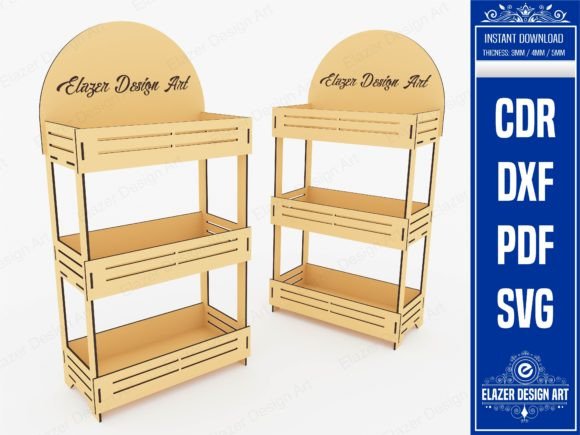
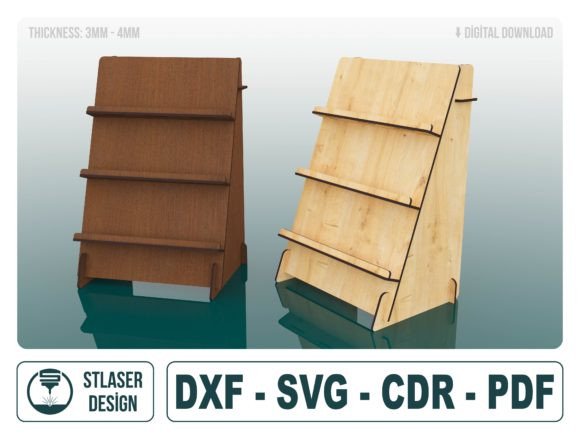
As someone who has spent the better part of a decade running a handmade business, I know that the difference between a hobby and a profitable shop often comes down to presentation. When I first opened the Laser Cut 4 Shelf Display Stand Svg File, my immediate thought wasn't just about the cut lines; it was about the potential for elevating my entire product line. This isn't just another digital download; it is a structural solution for crafters who need to showcase their work professionally at craft fairs or in Etsy product photos.
The mood this asset creates is distinctly functional yet elegant. It suggests a rustic, workshop-style aesthetic that appeals to buyers looking for authenticity. Whether you are selling handmade soaps, jewelry, or small pottery, this design signals to your customer that you care about how your goods are presented. It feels premium without being overly ornate, making it perfect for small business branding where clarity and quality are paramount.
Real-World Application for Handmade Sellers
While many graphic design assets are meant for flat surfaces like t-shirt design or mug design, this file serves a three-dimensional purpose. Imagine preparing for a busy holiday season at a local market. You have batches of custom mugs, intricate sticker designs, and seasonal gift tags ready to go. Instead of laying them flat on a table covered with a generic cloth, you assemble these stands to create vertical interest.
The versatility here is surprising. While primarily intended for Laser Cutting wood or acrylic, the concept translates well into other areas of our craft. For instance, the layered look of the shelves can inspire a sticker design series for planners, mimicking the depth of the physical stand. If you are a Cricut user or Silhouette user, you might adapt the silhouette of the stand for a tumbler wrap design, creating a meta-design where the product shows the tool used to make it.
For those of us focusing on printable design or sublimation, this asset acts as a crucial prop. When creating product mockups for your online store, having a realistic 3D stand allows you to display your digital products—like wall art or greeting cards—in a lifelike setting. This increases perceived value and helps customers visualize the item in their own homes.
Understanding the Dimensions and Material Specs
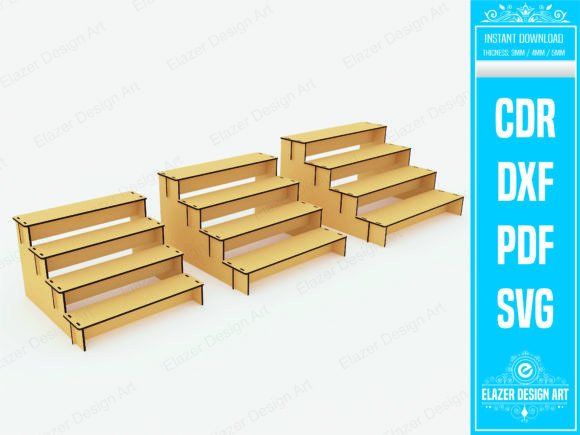
One of the most critical aspects of any cutting file is scalability and material compatibility. This specific package offers three distinct size variations, which is a huge plus for adapting to different booth spaces or product volumes:
- Option 1: 250x250x160mm (approx. 9.8x9.8x6.2 inches) – Perfect for countertop displays of smaller items like earrings or lip balms.
- Option 2: 300x300x180mm (approx. 11.8x11.8x7 inches) – A solid mid-size option for standard greeting cards or medium-sized jars.
- Option 3: 350x350x200mm (approx. 13.7x13.7x7.8 inches) – Ideal for larger statement pieces or bulkier handmade goods.
The files were explicitly created for 3mm, 4mm, and 5mm material thicknesses. This attention to detail saves hours of trial and error. In my experience, guessing material thickness often leads to joints that are too loose or impossible to assemble. Knowing these parameters upfront means you can order your plywood or acrylic sheets with confidence, reducing waste and ensuring a tight, professional fit.
Technical Considerations for Crafters
Before you commit to cutting a full batch for a customer order or a major craft fair, there are practical steps every experienced maker should take. First, always test the file on a scrap piece of your intended material. Even though the lines look clean on the screen, different lasers interact differently with wood grain or acrylic density.
If you are using this as inspiration for a Cricut project involving chipboard or heavy cardstock, check the complexity of the joints. Very small cutting details can sometimes tear if the material isn't high quality. For vinyl cutting applications, ensure that any negative space is large enough to weed easily without distorting the shape.
Color and contrast matter immensely when photographing your finished stands. Test how the natural wood tone or painted acrylic looks against your backdrop. A dark walnut stain might look cozy and rustic, while a white painted finish offers a minimal, modern vibe. Place your actual products on the stand and take test shots in both natural light and artificial booth lighting to ensure the shelves don't cast unwanted shadows on your merchandise.
Maximizing Value for Your Small Business
This graphic design asset is more than just a file; it's an investment in your shop's infrastructure. Using these stands can unify your booth display, making your brand instantly recognizable. When paired with the right typography—perhaps a bold sans serif font for price tags or a handwritten font for personal notes—the display becomes a cohesive part of your story.
However, use caution with crowded compositions. If you plan to add intricate clipart or illustrations to the shelves themselves via engraving, keep the design simple. Overcrowding the surface can make the final product look messy rather than decorative. Remember, the goal of the stand is to highlight the product sitting on it, not to compete with it.
Finally, always confirm the commercial licensing terms before using this for client work or mass production. Most files from creative marketplaces allow for unlimited physical items sold, but it is vital to read the fine print regarding "commercial design" usage. Once verified, this file becomes a powerful tool in your arsenal, helping you transition from a hobbyist making items at home to a professional curator of handmade goods.
In conclusion, whether you are creating a seasonal craft bundle, organizing your workspace, or building a stunning display for your next event, this SVG design delivers on functionality and style. It bridges the gap between digital planning and physical creation, proving that good design supports good business.