Healthcare Vertical Banner: A Designer's Stitch Review
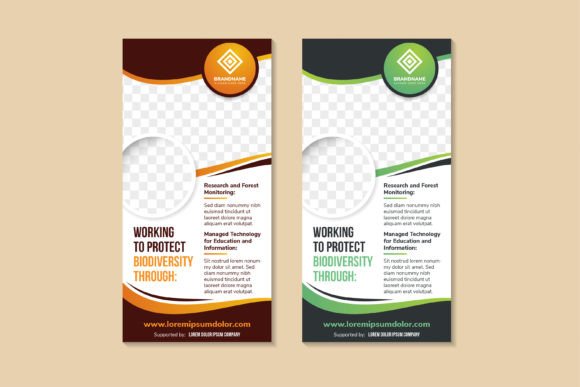
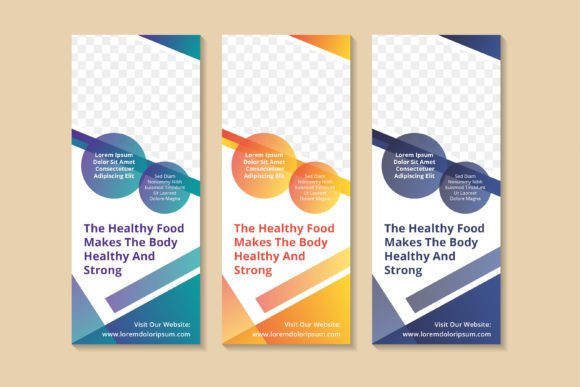
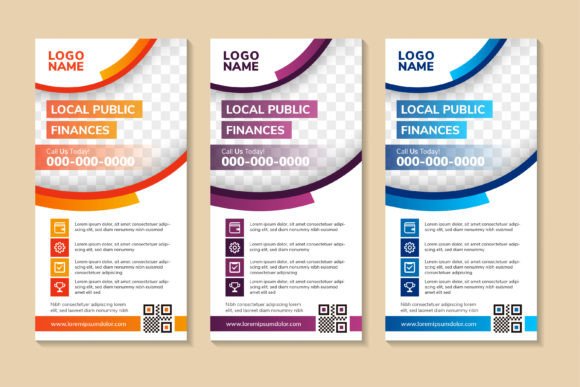
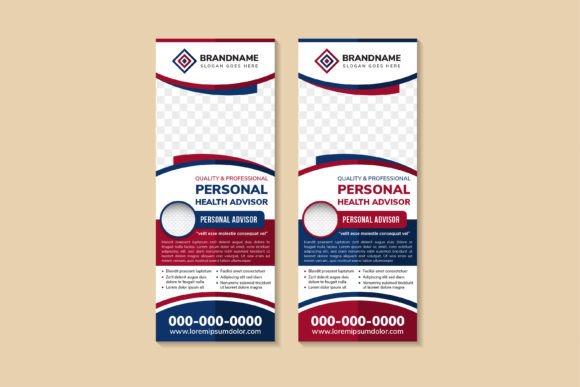
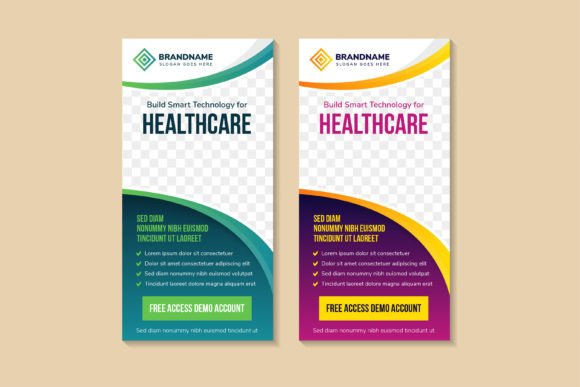
When I first pulled up the Healthcare Vertical Banner on my screen, my immediate reaction wasn't to reach for the digitizing software, but to pause and consider the intent. As someone who spends hours staring at stitch maps and thread charts, I look for designs that translate well from a flat graphic into a tactile, embroidered reality. This asset, categorized under Print Templates and Graphics, presents a fascinating challenge. It features abstract curves set against a green and purple gradient, explicitly designed for smart technology healthcare themes. For an embroidery designer, this isn't just a pretty picture; it's a puzzle of how to interpret fluid gradients and modern aesthetics using thread.
First Impressions and Mood Analysis
The visual personality of the Healthcare Vertical Banner is undeniably modern. The interplay between the calming green and the innovative purple creates a mood of trust and forward-thinking technology. In the world of print, these gradients blend seamlessly. However, when we talk about translating this into a machine embroidery design, we have to think differently. The "abstract curve" element suggests movement and flow, which is excellent for satin stitches if simplified correctly. The layout includes space for a photo collage and text, which in an embroidery context, signals a need for careful planning regarding negative space and density.
For a crafter or small business owner, this design feels premium. It doesn't scream "cheap souvenir." Instead, it whispers "professional medical facility" or "high-end wellness brand." If you are an Etsy seller looking to expand beyond cute baby items into corporate gifts or specialized apparel, this aesthetic is a strong contender. The clean lines and sophisticated color palette suggest a finished product that commands a higher price point.
Real-World Application Scenarios
Let's get practical. Imagine a client runs a boutique telehealth startup. They need branded merchandise for an upcoming conference. They don't want standard logo tees; they want something that looks like part of their booth display. Here is where the Healthcare Vertical Banner concept shines, even if adapted. While the original file is a graphic template, an experienced decorator could use the curve motifs to create a custom embroidered patch or a large back-design for a sweatshirt embroidery project.
Consider a tote bag design for a nursing graduation gift. Using the green and purple theme, you could embroider the abstract curves on a high-quality canvas bag. The flowing lines would look stunning as a satin stitch border, framing a monogram or a short inspirational quote in a clean sans-serif font. For baby embroidery, perhaps a nursery decor item like a pillow cover, the soft curves mimic the gentle nature of pediatric care. The gradient effect, while hard to replicate exactly with thread, can be suggested by blending thread colors—moving from a deep violet to a soft mint.
If you are creating holiday embroidery gifts for medical professionals, this design language fits perfectly. A scrub cap or a lab coat pocket featuring a simplified version of these curves adds a touch of personal style without violating hospital dress codes. It shows you understand the industry's visual language.
Navigating Technical Challenges
Here is the honest truth every craft business owner needs to hear: graphics made for print do not always stitch out perfectly without adjustment. The Healthcare Vertical Banner relies heavily on gradient colors. In embroidery, we cannot do true gradients unless we use complex blending techniques or very dense fill stitch patterns, which can make fabric stiff.
You must be cautious with stitch density. If you attempt to fill large areas of those abstract curves too densely, you risk puckering, especially on stretchy fabrics like jersey knits used for t-shirts. On textured fabrics, fine details might get lost. If you are working on a cap, remember that curved surfaces distort designs; those long, sweeping curves might need to be broken up or simplified to sit flat on the front panel.
Small hoop sizes are another constraint. The original template likely has a vertical orientation that might exceed standard 4x4 or 5x7 hoops. You may need to split the design or scale it down significantly, which risks losing the elegance of the curves. Tiny lettering, if you add any based on the template's text space, should be avoided on towels or plush blankets where loops can swallow small running stitch details.
Enhancing Product Value and Brand Consistency
Why go through the trouble of adapting a graphic template? Because it elevates your handmade product. When a customer sees a cohesive design that matches their brand's digital presence (like their website banners), it builds immense trust. Using the Healthcare Vertical Banner aesthetic for a line of custom apparel creates brand consistency. It tells the buyer that you pay attention to detail and understand their market.
For digital product sellers, offering a digitized version of this style (after proper licensing checks) could be a lucrative niche. Many embroidery designers lack the graphic design skills to create modern, tech-forward layouts. By bridging the gap between this Graphics template and a usable embroidery file, you provide a valuable design asset.
Essential Notes for the Embroidery Designer
Before you commit to stitching this on a client's expensive garment, follow these practical steps:
- Test on Scrap Fabric: Always stitch a sample on the same material you plan to use for the final finished product. Check how the green and purple threads interact with the base fabric color.
- Check Thread Contrast: Since the original uses a gradient, select thread colors that offer enough contrast to define the curves without looking muddy. A chart of variegated threads might be useful here.
- Review Stitch Density: If you are digitizing this yourself based on the template, reduce fill density to prevent stiffness. Use lighter fills for larger areas.
- Confirm Hoop Size: Measure the design against your machine's maximum hoop capability. Do not assume it fits.
- Inspect Small Details: Look closely at the tightest parts of the curves. Will the needle penetrate cleanly, or will it break the thread?
- Mockup Testing: Create a black and white mockup first. If the design loses its shape without color, the composition might be too reliant on the gradient, requiring simplification for embroidery.
- Stabilizer Selection: For fluid curves, a good cut-away stabilizer is often safer than tear-away, especially for items that will be washed frequently.
- Licensing Verification: This is critical. The Healthcare Vertical Banner is described as a Print Template. You must verify if the license allows for derivative works like embroidery. Do not sell finished items or digital files derived from this graphic unless the terms explicitly permit commercial embroidery use.
In conclusion, the Healthcare Vertical Banner offers a rich source of inspiration for the modern embroidery entrepreneur. While it starts as a graphic for roll-up banners, its DNA—the curves, the colors, the tech-forward vibe—is perfect for adapting into high-value small shop products. With careful consideration of fabric, density, and licensing, you can transform this visual concept into a tangible asset that delights clients and strengthens your portfolio.