Coffee Grace: A Designer's Take on Farmhouse Embroidery
When I first pulled up the Coffee Grace design file on my screen, I wasn't looking for another generic caffeine quote. As someone who spends hours digitizing and stitching for clients, I know that a pretty preview image doesn't always translate to a clean finished product. However, this piece immediately stood out for its balance of rustic charm and technical feasibility. It captures that specific "farmhouse decor" mood without feeling dated or overly cluttered. For designers and Etsy sellers looking to expand their craft business inventory, this graphic offers a versatile foundation that feels both personal and professional.
First Impressions and Visual Personality
The visual personality of Coffee Grace leans heavily into the cozy, inviting aesthetic that dominates modern home goods. The layout suggests a thoughtful arrangement, likely combining script typography with illustrative elements like coffee beans, steam, or perhaps a vintage cup silhouette. What appeals to me most is the implied negative space; it doesn't look like a solid block of thread that would stiffen a garment. Instead, it breathes. This is crucial when you are working with fabric texture in mind. A design that is too dense can turn a soft cotton tote into a cardboard-like patch, but this one appears to respect the drape of the material.
For those creating printable mockups or design assets for digital shops, the composition is strong enough to stand alone on a white background yet detailed enough to pop against darker canvases. It feels like a design born for the kitchen but sophisticated enough for a boutique clothing label. The theme is timeless; coffee culture isn't going anywhere, and the "grace" element adds a layer of warmth that elevates it beyond a simple commodity logo.
Real-World Application: The Tote Bag Test
To truly evaluate a machine embroidery design, I have to imagine it in a real-life scenario. Let's say I am preparing a custom order for a local café that wants branded merchandise. They need something that looks handmade but durable. Coffee Grace is an ideal candidate for a heavy canvas tote bag design. In this context, the stitch definition would be key. If the design utilizes a mix of satin stitch for borders and text, paired with a fill stitch for larger graphical elements, it would create beautiful dimensionality.
I can picture this stitched in warm browns, creams, and a deep espresso black on a natural linen bag. The contrast would be striking. For a small shop product, this level of detail signals quality. Customers touching the bag would feel the texture of the threads, associating that tactile experience with the brand's value. It's not just a logo; it's a piece of art. Similarly, this would work wonderfully as an embroidered patch that could be ironed onto denim jackets or aprons, giving small business owners a flexible way to brand their staff uniforms or sell add-on items at craft fairs.
Apparel and Home Decor Versatility
Beyond bags, the potential for custom apparel is significant. Imagine this on the left chest of a barista's apron or centered on a relaxed-fit sweatshirt embroidery project. The scale seems appropriate for these applications. For holiday seasons, this becomes a go-to holiday embroidery choice for hostess gifts. Stitching it onto a set of flour sack tea towels creates an instant, high-value personalized gift set. The "farmhouse" descriptor in the product notes aligns perfectly with current trends in nursery decor and kitchen textiles, making it a safe bet for inventory that needs to move quickly.
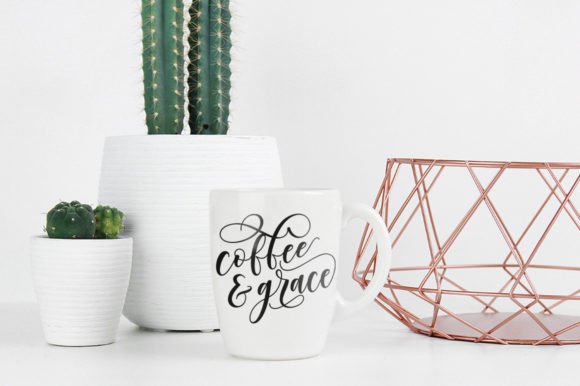
However, we must consider the limitations. While the description mentions decorating a coffee mug, as an embroiderer, I know this refers to sublimation or vinyl applications unless we are talking about a very specific 3D foam technique, which is rare for standard files. For traditional needlework, sticking to fabrics is where this design shines. On a baby embroidery project, like a bib or a onesie, one would need to be cautious about the density. Babies have sensitive skin, so ensuring the back of the stitching is clean and covered with a soft backing is essential if using this design on infant wear.
Technical Considerations for the Stitcher
Before committing to a full production run, there are several technical factors to review with Coffee Grace. First, always test the design on scrap fabric that matches your final material. If you are stitching on a textured waffle weave or a stretchy jersey knit, the behavior of the threads will change. A design that looks crisp on twill might sink into a loopback fleece. Checking the stitch density is vital; if the fill areas are too tight, they may cause puckering, especially on lighter weight fabrics.
Hoop size is another practical constraint. While the exact dimensions aren't listed in the brief description, farmhouse designs often favor slightly larger hoops to allow the typography to remain legible. If you attempt to shrink this down for a hat or a small pocket, the tiny details in the lettering or the fine lines of the graphics might merge together. Running stitch details, if present in the outline, need enough room to breathe. Always confirm the minimum recommended size with the file provider before resizing.
Stabilizer choice cannot be overlooked. For a project like a kitchen towel, which will undergo frequent washing, a cut-away stabilizer is usually safer than tear-away to prevent distortion over time. If you are working on a cap, the curved surface requires a stiffer stabilizer to keep the design from warping during the stitch-out. Additionally, pay close attention to thread colors. The mood of "grace" suggests muted, earthy tones. Using neon or overly bright threads might clash with the intended vintage vibe. Testing the design in black and white mockups first can help you judge the contrast and clarity without getting distracted by color choices.
Commercial Viability and Brand Trust
For the commercial embroidery professional, consistency is everything. Coffee Grace has the potential to become a signature element for a brand. When a customer sees the same high-quality embroidery on a mug sleeve, a tote, and a shirt, it builds trust. It tells them that the creator cares about the details. This design supports that narrative. It doesn't look like a cheap, mass-produced transfer; it looks like a deliberate handmade product.
That said, always verify the licensing terms. Just because a file is available for purchase doesn't automatically grant unlimited commercial rights. Some designers restrict the number of physical items you can sell, while others offer a broad license for digital embroidery file usage. Ensure you are compliant before listing finished goods on Etsy or in your boutique. Also, check if the file includes multiple formats (PES, DST, EXP, etc.) to ensure compatibility with your specific machine brand.
In conclusion, Coffee Grace is a thoughtful addition to any designer's library. It bridges the gap between trendy aesthetics and practical application. Whether you are stitching a single personalized gift for a friend or rolling out a new line of merchandise for your small shop product catalog, this design holds up under scrutiny. It invites creativity while demanding respect for the craft. By paying attention to fabric choice, stabilizer, and scale, you can transform this digital asset into a tangible object that brings a little bit of warmth and grace to everyday life.